
October 12, 2025
Note: A number of acronyms that may not be familiar to all readers are introduced and explained the first time they appear in this post. But for the reader’s convenient reference, we include a glossary of all the acronyms here.
ADDM: Autism and Developmental Disabilities Monitoring Network, part of CDC
ADHD: Attention Deficit/Hyperactivity Disorder
ADOS-2: Autism Diagnostic Observation Schedule
ASD: Autism Spectrum Disorder
CDC: The U.S. Centers for Disease Control and Prevention
CHD8: A gene involved in chromatin remodeling, important for brain development
CRS: Congenital Rubella Syndrome
DSM: Diagnostic and Statistical Manual of Mental Disorders
FDA: U.S. Food and Drug Administration
HHS: U.S. Department of Health and Human Services
ID: Intellectual disability
IDEA: Individuals with Disability Education Act
KFF: Kaiser Family Foundation
LD: Learning disability
MAGA: Donald Trump’s “Make America Great Again” coalition
MMR: Measles-Mumps-Rubella vaccine
NAc: Nucleus accumbens, a brain section involved in the brain’s reward circuit
NDD: Neurodevelopmental disorders
NIH: National Institutes of Health
PDD-NOS: Pervasive development disorder, not otherwise specified
RRB: Restricted and repetitive interests and behaviors
SHANK3: A gene involved in the structure and function of synaptic junctions in neurons
VTA: Ventral Tegmental Area, a brain section involved in the brain’s reward circuit
IV. Autism and vaccination
We have discussed the relationship, or lack of relationship, between vaccination and autism in several of our blog posts. The first was a general post dealing with the tremendous success of vaccination in decreasing the rates of infectious diseases. Later posts (here and here) dealt with misinformation that was being spread regarding vaccines and particularly the COVID-19 vaccines. Still later, we have uploaded a number of posts (here, here, here and here) that deal specifically with Robert F. Kennedy, Jr. and his anti-vaccine misinformation. Here, we will briefly review the history of misinformation and conspiracy theories regarding the (nonexistent) link between vaccines and autism. We will then focus on the latest misinformation from Donald Trump and Robert F. Kennedy, Jr. regarding vaccination and autism.
The first researcher to claim a link between childhood vaccinations and autism was Andrew Wakefield, a British former gastroenterologist and medical researcher (see Fig. IV.1). Wakefield and collaborators published a famous paper in The Lancet in 1998 alleging a link between the MMR (measles/mumps/rubella) vaccine and symptoms of autism.

Researchers around the world conducted robust clinical studies of Wakefield’s claims, with no other robust study finding any correlation between the MMR vaccine and autism. A major study was carried out in Denmark between 1991 and 1998, which included over 500,000 children. This study found no difference in the rate of autism diagnosis before or after the MMR vaccine was administered, or between vaccinated and unvaccinated children. A critical development was the finding by journalist Brian Deer that Wakefield’s claims were actually fraudulent. Almost all of Wakefield’s 12 co-authors published a retraction of their work in an article in The Lancet. After British medical authorities conducted an investigation into the Wakefield situation, he was struck off the UK medical register.
This ended Wakefield’s career as a doctor, but he has continued his anti-vaxxer activity in the U.S. He has a strong following in groups like Children’s Health Defense, and he has made a couple of anti-vaxx movies; in fact, Robert F. Kennedy, Jr. was executive producer of Wakefield’s last movie Vaxxed II (see Fig. IV.2). Over the past three decades Kennedy’s Children’s Health Defense group has been the standard-bearer for the anti-vaccination lobby. In particular, they have repeated the debunked claims that vaccines cause autism. In the Sept. 22, 2025 press conference RFK Jr. once again raised the debunked connection of vaccines to autism, now boosted by his statement that “some 40-70% of mothers who have children with autism believe that their child was injured by a vaccine.” Perhaps RFK Jr. was basing his statement on a survey of mothers who have been misinformed by the Children’s Health Defense website. According to a 2025 finding cited by the Children’s Hospital of Philadelphia, a study by the Autism Science Foundation indicated that about 85% of parents of children with autism “are comfortable that vaccines weren’t the cause.“

In our many posts on Robert F. Kennedy, Jr. and his crusade against many aspects of modern medicine, we have pointed out the methods that he uses to advance his arguments. First, he knows nothing about the workings of science. Kennedy stakes out a position based on his own prejudices and then uses whatever “evidence” bolsters his arguments. He cites research that has never been published, papers that have been retracted, and defective studies. He quotes “authorities” who have been unmasked as frauds, discredited researchers, or charlatans. At the same time, despite the subtitle “Let the Science Speak” in a couple of his books, he never cites robust clinical trials or epidemiological studies that refute his claims.
After Kennedy was confirmed as Secretary of Health and Human Services, he reneged on his promise during his confirmation hearings that he would not compromise the recommended schedule of vaccinations. Once he was confirmed as HHS Secretary, he fired all 17 members of the Advisory Committee on Immunization Practices, citing false claims that all of them had disqualifying conflicts of interest. He replaced this committee with new members, many of whom had been vocal anti-vaxxers and some of whom had served as witnesses in lawsuits against companies that manufactured vaccines. The new committee members are not experts on vaccines, and instead of being addressed by leading scientists in the field, they were instead treated to a series of unproven assertions by Lyn Redwood, who alleged that a mercury chemical thimerosal was linked to vaccine injuries.
The replacement of scientific expertise by feelings unsupported by data or by conspiracy theories is a stunning feature of RFK Jr.’s HHS agencies, including the NIH, CDC and FDA. Medical experts and professional medical associations have called out the proliferation of debunked theories now coming out of Kennedy’s medical agencies. Unfortunately, Kennedy has been joined by Donald Trump in spreading falsehoods about vaccines. This was demonstrated most visibly in the Sept. 22 press conference on Tylenol and autism (see the YouTube video in Section III).
Referring to childhood vaccines, Trump said [from 6:24 to 9:00 on the YouTube video] “And they pump so much stuff into those beautiful little babies, it’s a disgrace. I don’t see it. I think it’s very bad. They’re pumping — it looks like they’re pumping into a horse. You have a little child, a little fragile child and you get a vat of 80 different vaccines, I guess, 80 different blends and they pump it in … It would be good instead of one visit where they pump the baby, load it up with stuff, you’ll do it over a period of four times or five times … To have families destroyed over this is just so, so terrible. I also — and we’ve already done this. We want no mercury in the vaccine. We want no aluminum in the vaccine. The MMR, I think should be taken separately. This is based on what I feel. The mumps, measles and the three should be taken separately. And it seems to be that when you mix them, there could be a problem. So there’s no downside in taking them separately. In fact, they think it’s better … No, it’s only good side and it may not have that much of an impact, but it may have a big impact. So let those be taken separately. And then hepatitis B is sexually transmitted. There’s no reason to give a baby that’s almost just born, hepatitis B. So I would say, wait till the baby is 12 years old and formed and take hepatitis B. And I think if you do those things, it’s going to be a whole different — It’s going to be a revolution in a positive sense in the country.”
Let us take a few minutes to unpack Trump’s remarks, because it is remarkable how many falsehoods he can pack into a couple of minutes. First, there is no “vat of vaccines” from which 80 different vaccines are injected at once. In fact, the average child does not have a total of 80 vaccines until adulthood. Second, the “mercury” (thimerosal) has been removed from nearly all childhood vaccines, even though robust trials have demonstrated that there are no negative consequences from vaccines containing minute quantities of thimerosal. Furthermore, there are no negative consequences from tiny quantities of aluminum salts that are used as an adjuvant in certain vaccines. Next, when you “mix” the measles, mumps and rubella in the same shot there are no “problems;” the MMR vaccines have saved countless lives and are exceptionally safe. Figure IV.3 shows the incidence of rubella (dashed curve) and congenital rubella syndrome (CRS, solid line) over time after the MMR vaccine was introduced in 1963. Cases of rubella are essentially zero after 2003. As for taking those three vaccines separately, at the present time there are no separate shots for measles, mumps and rubella. Even if the shots were available separately, there is a downside to taking them one at a time – it would mean 3 separate costly trips to the doctor and would ensure that many children would not be inoculated against all three childhood diseases.

And finally, the hepatitis B vaccine is given to newborns before they leave the hospital. The reason is that women may not know that they have hepatitis B. Although hepatitis B is often spread through sexual contact, the virus can be transmitted from mother to child through contact with infectious blood or bodily fluids. Young children who contract hepatitis B can develop chronic long-term effects such as liver failure, liver cancer or cirrhosis of the liver. These chronic diseases can dramatically shorten the life span of the child. In the U.S., approximately 1.25 million Americans have hepatitis B, and 30 – 40% of these contracted the disease when they were children. Around 2,000 – 4,000 Americans die from hepatitis B every year. The possibility of acquiring chronic diseases from hepatitis B is much higher for infants. Some 90% of infants who acquire hepatitis B will later develop chronic symptoms, while only 30% of children aged 1.5 years or higher who get the virus will develop chronic symptoms.
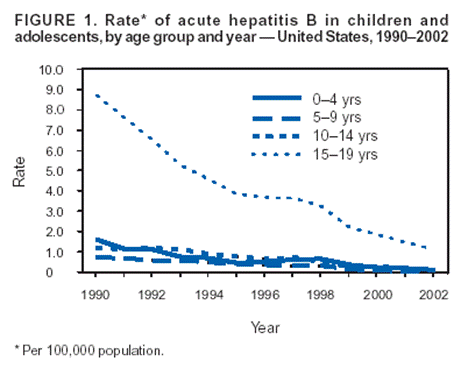
The vaccine used to be given to children later in their development, but physicians have found that giving the vaccine immediately after birth is the most effective way to reduce the spread of that virus to children. After universal neonatal vaccine administration was initiated in 1991, we experienced an 80% reduction in childhood hepatitis B. This made the shot at birth one of the most successful modern public health innovations. Figure IV.4 shows U.S. rates of acute hepatitis B in children and adolescents per 100,000 population from 1991 to 2002. The solid curve is for children 0 – 4 years; the long-dashed curve 5 – 9 years; the short-dashed curve 10 – 14 years; and the dotted curve 15 – 19 years. The incidence of childhood hepatitis B decreases to nearly zero by 2002. So, waiting to give the hepatitis B vaccine until a child is 12 is a very bad idea.
We can guarantee that Donald Trump’s remarks about childhood vaccines from his Sept. 22, 2025 press conference will result in much confusion to parents. Because of his ignorant remarks and terrible misinformation, parents will either forgo or delay childhood vaccines. This will result in many cases of diseases that had been essentially wiped out in the U.S. because of childhood vaccines. Doctors will try to convince parents that Trump’s remarks were not true; however, among MAGA followers, who take seriously the ridiculous slogan “Donald Trump is Always Right,” vaccine rates will decline and people will leave their children unvaccinated for long periods of time. Trump’s claim that “there is no downside” to his recommendations will further inflame the situation.
For the past 30 years, Robert F. Kennedy, Jr. has worked tirelessly to spread misinformation and lies about vaccines. Against all robust medical evidence, RFK Jr. believes that vaccines harm more people than they help, and that the vast majority of the medical community that states that vaccines have nearly wiped out a host of diseases are engaged in a vast conspiracy with Big Pharma to hide the large number of vaccine injury cases. Now that he is HHS Secretary, Kennedy is doing everything in his power to misinform Americans about vaccine safety. He wants to drive down the rate of vaccination among Americans, and he falsely believes that this will make Americans “healthy again.” By forcing out experts in vaccines and public health and replacing them with ignorant “vaccine safety” zealots, Kennedy is likely to succeed in his goal. The net result will be a resurgence of injury and death from childhood diseases such as measles, mumps, rubella, whooping cough, diphtheria and hepatitis B.
Unfortunately, the equally ignorant Donald Trump is assisting Kennedy in this foolish anti-vaccine crusade. Trump’s statements will resonate much more in Red states and rural areas where MAGA sentiment is strongest. We pointed out in a recent blog post that there are currently significant differences in health and life expectancy between people in Red states and Blue states; and these differences are growing over time. Trump’s arguments will further expand this discrepancy. We are already seeing this play out. In Sept. 2025, Blue states California, Oregon, Washington and Hawaii formed the Western Health Alliance to develop its own immunization guidelines, and they issued a statement “The CDC has become a political tool that increasingly peddles ideology instead of science, ideology that will lead to severe health consequences.” The announcement of formation of this alliance is shown in Figure IV.5. The group is exploring avenues for expanding access and coverage of vaccines.

At the opposite end of the political spectrum Florida, which has surgeon general Joseph Ladapo and governor Ron deSantis as their equivalent of RFK Jr. and Donald Trump, announced that Florida would end all vaccination requirements for public schools, including requirements for vaccines against childhood diseases. Ladapo claimed that vaccination was a matter of personal freedom. Referencing vaccine mandates, Ladapo stated that “Every last one of them is wrong and drips with disdain and slavery.” One can expect other Red states to enact “medical freedom” mandates that make it difficult or impossible to require vaccination. We can also expect other Blue states to either join the Western Health Alliance, or to form their own regional alliances to use the best medical advice regarding vaccination, rather than follow the RFK-led attacks on vaccines and misinformation about the extent of “vaccine injury.”
Figure IV.6 announces a statement by the American Medical Association regarding the Florida plan to end all vaccine mandates. The statement reads: “The American Medical Association strongly opposes Florida’s plan to end all vaccine mandates, including those required for school attendance. This unprecedented rollback would undermine decades of public health progress and place children and communities at increased risk for diseases such as measles, mumps, polio, and chickenpox resulting in serious illness, disability, and even death. While there is still time, we urge Florida to reconsider this change to help prevent a rise of infectious disease outbreaks that put health and lives at risk.” More generally, we urge parents to trust scientists and physicians about medical issues, rather than politicians.

V. genetics, fetal brain development, and susceptibility to autism
So, if vaccines and acetaminophen use by pregnant women do not seem to be involved in causing autism, what is? We know that genetics and environment, especially during the critical times of fetal brain development, are both prominent among the causes. But just as the autism spectrum is quite broad, so are the factors that play a role in its origin. Figure V.1 lists some factors known to contribute at some level to the development of autism.

Genetic contributions:
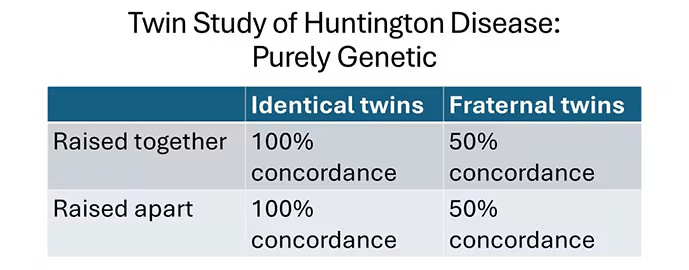
Autism is more prevalent in some families than in others. That observation suggests an important inherited component of susceptibility to ASD. The most robust attempts to quantify how much of the cause is genetic involve large studies of identical (monozygotic – arising from a single zygote) and fraternal (dizygotic) twins. In the case of a disease like Huntington’s, which is caused by a defect in a single gene, the comparison of identical to fraternal twins is simple to interpret, as illustrated in Fig. V.2. If one identical twin suffers from Huntington’s, his or her twin does as well essentially 100% of the time – i.e., the concordance rate is 100% — since the identical twins share exactly the same DNA (except for possible rare mutations that arise during cell division to form two separate embryos or during gestation). However, there is only a 50% chance that a fraternal twin will share Huntington’s, despite sharing the same prenatal and post-natal environments, since the second fertilized egg has only a 50% chance of getting the same abnormal chromosome from the parent who carries it. These concordance values are unaffected by whether the twins were raised together or separately, since Huntington’s has no environmental dependence.
The case for ASD is not as straightforward. Results obtained from twin studies carried out in different years or different countries provide some range of concordance values, in part because the diagnosis of ASD has changed over the years and may differ in different countries. Concordance values for ASD have fallen in the range 60-90% for identical twins and 3-31% for fraternal twins. Those ranges provide a strong indication of an important genetic component in autism susceptibility. The most robust study comes from Sweden where extensive electronic medical records are maintained for all children born in the country by the national health service. Sandin, et al. have analyzed results for a cohort of children born in Sweden between 1982 and 2006, with follow-up testing for ASD performed through the end of 2009. “The study included 37 570 twin pairs, 2 642 064 full sibling pairs, and 432 281 maternal and 445 531 paternal half-sibling pairs. Of these, 14 516 children were diagnosed with ASD.” The siblings and half-siblings provide additional constraints on the analysis because they are genetically and environmentally related, but distinct, as opposed to fraternal twins raised together who have nearly the same shared environments.
The model Sandin, et al. use to analyze the ASD occurrence data includes four distinct possible contributions: an additive genetic effect arising from multiple genes; a non-additive or dominant genetic factor from a single gene, as in Huntington’s; a shared environmental factor for twins raised together; and a non-shared environmental factor that would affect non-twin siblings or twins raised separately (who would still share a prenatal environment). They find little evidence for a substantial effect of either the non-additive genetic or shared environmental factors. Their best fit to all the data provides an estimate of ASD heritability of 83% (between 79% and 87% with 95% confidence level), with 17% (13% to 21% with 95% confidence level) contribution from non-shared environment. The observational evidence thus indicates a dominant genetic contribution to ASD, but likely with multiple genes playing a role. The non-shared environment contribution suggests, for example, that the concordance of ASD diagnoses among non-twin siblings is somewhat greater than one would expect from the study of fraternal twins, who mostly share the same prenatal and post-natal environments.
Numerous genomic analyses carried out over the last decade have focused on discovering gene variants that occur with significantly greater frequency among those diagnosed with ASD than for neurotypical individuals. RFK Jr. in the Trump-Kennedy Sept. 22, 2025 press conference referred to all this genetic research as “entirely fruitless” and compared it to searching for genes that cause lung cancer while ignoring cigarette smoking (see video below). He once again revealed his dangerous lack of understanding of science and his apparent ignorance of the conclusive twin studies of autism concordance.
The bottom line of the genetic studies is that hundreds of genes have been identified that have variants associated with an increased disposition toward autism or other neurodevelopmental disorders, but only in rare cases is there a single dominant gene involved. A particularly exhaustive analysis published in 2022 examined the genomes of more than 150,000 individuals, 20,000 of whom have been diagnosed with ASD. That study identified “more than 70 genes that are very strongly associated with autism and more than 250 with strong links to the condition.” The study also looked at the commonality of genes favoring autism with those favoring other neurodevelopmental disorders and at the activity level of those genes (i.e., the extent to which the proteins they encode are expressed) in developing human neurons. For example: “They learned that genes linked predominantly to developmental delay tend to be active in early neuronal development, whereas autism-related genes tend to play a role in more mature neurons. Furthermore, in an analysis of more than 20,000 samples from individuals with schizophrenia, the researchers found that genes that are strongly associated with autism were also more likely to be associated with genes that increase risk for schizophrenia.”
For most individuals diagnosed with ASD, the research indicates that predisposition toward autism is dependent on the combined effect of hundreds of relatively common gene variants, a situation similar to that for cancer susceptibility. However, roughly 20% of diagnosed individuals show the impact of a single dominant, relatively rare, genetic variant working in combination with other more common gene variants (see Fig. V.3). “These mutations often lead to more severe presentations of ASD and can, unfortunately, be associated with reduced life expectancy. Identifying these specific mutations is a primary focus of autism research, offering potential avenues for targeted interventions. For example, studies have linked mutations in genes like SHANK3 and CHD8 to a higher risk of autism, impacting synaptic function and brain development.”

One example of a rare mutation that increases ASD susceptibility is known as fragile X syndrome. This condition refers to a deficit in producing the protein FMRP, which is coded by a single gene on the X chromosome and is needed for brain development. This condition affects roughly one in 7,000 male children and one in 11,000 females, with stronger impacts in the males, since the females have two X chromosomes, only one of which may have the mutated gene variant. In some cases these rare mutations are inherited and in other cases they are not.
Not all genetic contributions to autism are inherited. Especially in low-risk families that have only a single autistic child and no evidence of autism in either parent, the role of de novo genetic mutations is important. These are mutations not shared with either parent’s inherited genome, which presumably occur in one of the following ways: damage to the DNA in a sperm or egg cell accumulated during a parent’s lifetime; a mutation during cell divisions leading a fertilized egg cell to develop into an embryo; or DNA damage to the developing fetus. A recent genomic survey compared the prevalence of these de novo mutations in low-risk families to high-risk families with two or more autistic children. Their analysis indicates “that de novo mutations contribute to 52–67 percent of ASD in low-risk families, but only 9–11 percent in high-risk families, supporting the view that spontaneous genetic changes are much more likely to be a cause of ASD in low-risk than in high-risk individuals.”
Brain imaging studies of individuals with ASD:
While genetic influences contribute most to ASD predisposition, the large twin studies indicate clearly that environmental factors have a significant role. The uterine environment during pregnancy is particularly important, especially during the second trimester when development of the fetal brain and neural connections is most active.
Brain imaging studies on children and adults with ASD have revealed differences in average brain structure, connectivity, and functioning compared to neurotypical individuals. For example, the brains of autistic infants tend to be larger than those of neurotypical infants, an overgrowth that can even be detected in utero. There are differences in specific brain regions, including the cortex, involved in reasoning, memory, and social cognition, and the amygdala, crucial for emotional processing and empathy. The white matter connecting different brain regions also appears to be different for those on the autism spectrum, with more short-range fibers connecting nearby sectors and fewer long-range fibers connecting distant sectors.

A particularly important difference in connectivity has been imaged by a group from the Stanford University School of Medicine. They studied white matter connections along what is known as the reward pathway in the brain, where dopamine signals from neurons generate a sense of wellbeing from behavior that is normally useful for survival and social interactions. A vital part of that pathway illustrated in Fig. V.4 connects brain regions known as the ventral tegmental area (VTA) and the nucleus accumbens (NAc). As illustrated in the right-hand frame of Fig. V.4, the Stanford study found systematically fewer VTA-NAc connections and aberrant reward functioning in autistic compared to typically developing children, which can help to explain the reported social interaction impairments among the children with ASD.
A recent Yale University School of Medicine study using positron emission tomography (PET) as well as MRI scans of autistic and typical brains found that autistic adults have, on average, “17% lower synaptic density across the whole brain compared to neurotypical individuals.” Synapses are the junctions across which neurons transmit signals to and from each other and the brain. The study found that “the fewer synapses an individual had, the more autistic features they exhibited.”
Environmental influences:
Some of the gene variants associated with ASD can certainly affect fetal brain and synaptic development. But so, too, can anomalies in the environment before and during conception, pregnancy, or childbirth, or other risk factors summarized in Fig. V.5. A number of studies have found a correlation between ASD and prenatal exposure to pesticides, heavy metals (e.g., lead or mercury), and air pollutants. These can disrupt fetal neurodevelopment in a number of ways: by causing oxidative stress or inflammation; by altering gene expression; or, in some cases, actually causing de novo gene mutations that affect brain and neural system development. Such mutations may arise in the sperm or egg cells of the parents or in the DNA of the developing fetus, or by interfering with natural fetal DNA repair from other damage causes. Cumulative mutations from environmental exposures or diseases in sperm and egg cells may explain part of the increased risk for autistic children born to parents approaching or exceeding 40 years of age, found in many studies.

Maternal health conditions such as obesity, diabetes, and immune disorders have also been found to increase the risk of fetal brain development anomalies. And oxygen deprivation at birth and premature births have both been linked to strongly increased risk for autism.
Autism spectrum disorders are not the only brain developmental issue whose apparent increasing prevalence has caught the attention of the Trump administration. Gender dysphoria is a condition that arises when a person’s sense of gender identity, determined in the brain, differs from their sex determined by reproductive organs. As we have explained in our previous post on Sex, Gender, Genome, and Hormones, masculine and feminine brains have characteristic differences in both structure and connectivity. For example, brain imaging has shown “that men had a greater number of white matter connections running from the front to the back of the brain, while women had a greater number of connections running between the two hemispheres.” While reproductive organs are formed during the first trimester of pregnancy, the sexual differentiation of human brains occurs largely during the second trimester and is strongly influenced by testosterone exposure in utero.
Brain imaging studies of transgender adults, compared to non-transgender control group participants, have revealed that the transgender individuals “have typical [for their birth sex] gray matter volumes (or cell bodies), but differences in white matter (connective tissue) … Transgender women demonstrated a white matter trend in between women and men… suggesting that their white matter tracts were only partially masculinized during development. A similar trend was seen in transgender men [showing] a brain connectivity pattern closer to people who shared their gender identity (that is, men) than those who shared their birth sex (that is, women).”
Since both ASD and gender dysphoria arise in part from anomalies in the development of connective tissue within fetal brains, it is not terribly surprising that there are strong correlations between the two conditions. Figure V.6 indicates the occurrence of ASD among LGBTQ youth, subdivided into various categories, as determined from a 2020 online survey of nearly 35,000 respondents. While the cis-gendered youth have an ASD prevalence somewhat greater than the 3% characteristic of all American children, those with gender identity issues are much more likely to report autism characteristics. Nearly 40% of transgender youth, of either gender, have been either diagnosed with ASD or suspect they are on the spectrum. More than 30% of youth who consider themselves non-binary, whether assigned female (AFAB) or male (AMAB) at birth, suffer from ASD. And more than 20% of those who are seriously questioning their gender also report autism.

Given that ASD and gender dysphoria appear to represent two related facets of atypical fetal brain development, it is revealing that Donald Trump has been focused on finding a cause of autism while simultaneously denying the existence of individuals with gender identity issues. Trump’s January 2025 Executive Order Defending Women from Gender Ideology Extremism and Restoring Biological Truth to the Federal Government mandated that the U.S. would recognize only two sexes, both determined by reproductive cells at conception. Notwithstanding the fact that there are no reproductive cells in a fertilized egg at conception, the order effectively equates sex and gender, disallowing gender dysphoria and transgender identity. Trump thus effectively states that he only cares about those autistic individuals whom he cannot bully for political advantage.
VI. summary
There is a great deal of active research about factors that contribute to the development of autism in children. The causes seem to be as broad as the autism spectrum disorders themselves. Our understanding of ASD is thus complex and developing. However, Donald Trump and Robert F. Kennedy, Jr. prefer simple answers. That preference and his lack of comprehension of science have led Kennedy to consider vaccines and now Tylenol usage by pregnant women as “smoking gun” causes of what he terms an “autism epidemic.” Trump has supported Kennedy and strongly advised pregnant women against using Tylenol, perhaps in the hopes of claiming that he “solved” autism, just as he falsely claims to have “brought an end” to seven intractable wars. Their problem is that robust epidemiological investigations provide no support for either vaccines or acetaminophen as significant contributors to autism. With regard to vaccines in particular, there is no evidence that neurotypical children “regress” into autism, as Kennedy has often claimed. There is also no support from surveys for the older attempts to blame autism on “refrigerator mothers.”
As the diagnostic definition of ASD has systematically broadened over decades, as rigorous early screening and special educational services have become more commonplace, and as the stigma associated with autism has been reduced by public awareness, the prevalence of ASD in the population has grown. There is no evidence that this growth represents an “explosion” or “epidemic” of a disease, rather than a growing recognition of infant neurodevelopmental anomalies that have always existed. While these anomalies cause social interaction difficulties and restricted and repetitive behavior, they allow for a very broad range of intellectual and language abilities, as well as three levels of adaptive functioning. The spectrum is so broad that it encompasses individuals with severe cognitive impairments at the same time as high-functioning individuals like Elon Musk and Anthony Hopkins.
Large twin studies have provided definitive evidence that the primary factor in autism risk is genetic. Genomic studies have clearly identified hundreds of gene variants as primary contributors to a predisposition toward ASD. In a majority of cases, the effect comes from the combined impact of many, rather common, gene variants that affect the development of the brain and neural system. In a minority of cases, a rare mutation in a single gene may make a dominant contribution to the development of ASD. The genetic contributions are most often inherited from parents. But in half or more of cases where only a single child in a family is on the spectrum, the gene mutations can be de novo, not present in either parent’s inherited genome.
Brain imaging on autistic individuals has revealed structural, connectivity, and functional deviations from the brains of normally developing children and adults. Connectivity deficits along the reward pathway, by which dopamine signaling reinforces behaviors that enhance a person’s sense of wellbeing, may be especially important in contributing to social interaction impairments among those diagnosed with ASD. More generally, imaging has shown that autistic individuals have a significantly reduced density of firing synapses across neuronal junctions that carry signals to and from the brain.
Environmental, as well as genetic, influences disrupting the normal development of the brain and neural system in fetuses – which is most profound during the second trimester of pregnancy – are linked to ASD. Among relevant environmental factors are prenatal exposure to pesticides, heavy metals, and air pollutants, as well as maternal health complications including obesity, diabetes, and immune system disorders. Normal brain development can also be disrupted by problems at birth, such as oxygen deprivation or premature delivery. Anomalies in fetal brain development are also responsible for gender dysphoria and there appears to be a high prevalence of ASD among those with gender identity issues.
There is no known “cure” for ASD. The best hope for a cure may come from CRISPR gene-editing to undo a damaging rare de novo mutation that causes problems for a small minority of those diagnosed with ASD. Those who inherit the predisposition to ASD from their parents are likely to pass that predisposition along to their own offspring, if they have any. But everyday functioning and even social interactions can be gradually ameliorated to some extent with appropriate understanding and support in early childhood and special education classes, where they are needed.
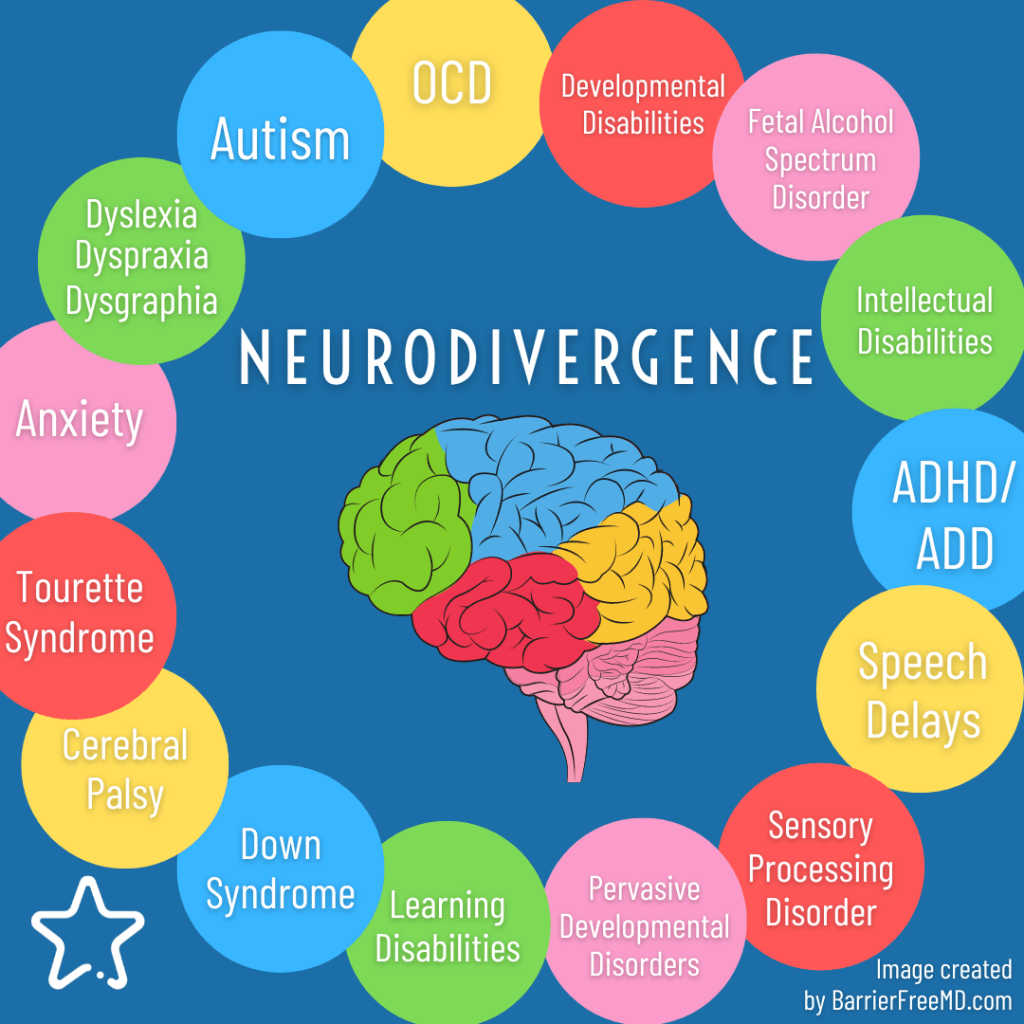
Many people on the autism spectrum today prefer to consider themselves not as suffering from a disability, but rather as neurodivergent individuals, whose brain functioning is different — with some clear challenges, but also some unique strengths – from that of neurotypical people. This non-medical characterization places them on an even broader spectrum comprising some 10-to-20% of the global population with one or more of the brain-variation conditions included in Fig. VI.1.
Many commercial companies are today beginning to recognize the benefits of hiring neurodivergent employees. For example, Thorkil Sonne has established a company, Specialisterne, dedicated to helping autistic and other neurodivergent people find suitable employment opportunities that will benefit both them and their employers. Robert F. Kennedy’s unfortunate characterization in April 2025 of autistic children as “kids who will never pay taxes, they’ll never hold a job, they’ll never play baseball, they’ll never write a poem, they’ll never go out on a date…” reveals his own lack of understanding of the breadth and possibilities of the autism spectrum.
references:
M. Halpert and N. Yousif, Trump Makes Unproven Link Between Autism and Tylenol, BBC News, Sept. 23, 2025, https://www.bbc.com/news/articles/cx20d4lr67lo
S.G. Stolberg, For Trump, Who Has ‘Strong Feelings’ About Autism, the Issue is Personal, New York Times, Sept. 22, 2025, https://www.nytimes.com/2025/09/22/us/politics/autism-vaccines-trump-personal.html
E.B. Nunn and S.G. Stolberg, C.D.C. Will Investigate Debunked Link Between Vaccines and Autism, New York Times, March 7, 2025, https://www.nytimes.com/2025/03/07/health/vaccines-autism-cdc-rfk-jr.html
C. Jewett, E.B. Nunn, and S.G. Stolberg, Kennedy Turns to a Discredited Vaccine Skeptic for Autism Study, New York Times, March 27, 2025, https://www.nytimes.com/2025/03/27/health/rfk-jr-autism-vaccines.html
R. Stein, RFK Jr. Calls Autism an ‘Epidemic’ and Launches Effort to Find ‘Environmental’ Cause, NPR, April 17, 2025, https://www.npr.org/2025/04/17/nx-s1-5366846/rfk-jr-calls-autism-an-epidemic-and-launches-effort-to-find-environmental-cause
B. Braun-Silva, RFK Jr.’s Comments on Autism Draw Reactions from Parents and Experts, ABC News, April 17, 2025, https://abcnews.go.com/GMA/Wellness/parents-experts-react-rfk-jrs-autism-claims/story?id=120911306
Autism and Developmental Disabilities Monitoring (ADDM) Network, https://www.cdc.gov/autism/addm-network/index.html
S. Belser, Alzheimer’s Disease, https://www.fsa.usda.gov/Internet/FSA_File/alzheimers.pdf
DebunkingDenial, Sex, Gender, Genome, and Hormones, https://debunkingdenial.com/sex-gender-genome-and-hormones-part-i/
The Changing Division of Autism and Related Disorders, https://www.reddit.com/r/dataisbeautiful/comments/1eseohp/the_changing_division_of_autism_and_related/
Wikipedia, History of Autism, https://en.wikipedia.org/wiki/History_of_autism
American Psychiatric Association, Diagnostic and Statistical Manual of Mental Disorders (DSM-5-TR), https://www.psychiatry.org/psychiatrists/practice/dsm
N.E. Rosen, C. Lord, and F.R. Volkmar, The Diagnosis of Autism: From Kanner to DSM-III and DSM-5 and Beyond, Journal of Autism and Developmental Disorders 51, 4253 (2021), https://pmc.ncbi.nlm.nih.gov/articles/PMC8531066/
H. King, Elon Musk Opens Up on How Asperger’s Has Impacted His Life, Axios, Apr. 15, 2022, https://www.axios.com/2022/04/15/elon-musk-aspergers-syndrome
Z. Budryk, More Celebrities Are Coming Out as Autistic. That Makes a Huge Difference, Washington Post, Sept. 8, 2021, https://www.washingtonpost.com/outlook/2021/09/08/wentworth-miller-anthony-hopkins-autistic-celebrities/
W. Brangham, Climate Activist Greta Thunberg on the Power of a Movement, PBS News, Sept. 13, 2019, https://www.pbs.org/newshour/show/climate-warrior
A. Thurm, et al., State of the Field: Differentiating Intellectual Disability from Autism Spectrum Disorder, Frontiers in Psychiatry 10, 3389 (2019), https://www.frontiersin.org/journals/psychiatry/articles/10.3389/fpsyt.2019.00526/full
A. Polyak, R.M. Kubina, and S. Girirajan, Comorbidity of Intellectual Disability Confounds Ascertainment of Autism: Implications for Genetic Diagnosis, Neuropsychiatric Genetics 168, 600 (2015), https://onlinelibrary.wiley.com/doi/10.1002/ajmg.b.32338
Wikipedia, Individuals with Disabilities Education Act, https://en.wikipedia.org/wiki/Individuals_with_Disabilities_Education_Act
K. Van Naarden Braun, et al., Trends in the Prevalence of Autism Spectrum Disorder, Cerebral Palsy, Hearing Loss, Intellectual Disability, and Vision Impairment, Metropolitan Atlanta, 1991-2010, PLoS One 10, e0124120 (2015), https://www.researchgate.net/publication/275661091_Trends_in_the_Prevalence_of_Autism_Spectrum_Disorder_Cerebral_Palsy_Hearing_Loss_Intellectual_Disability_and_Vision_Impairment_Metropolitan_Atlanta_1991-2010
S.N. Hansen, D.E. Schendel, and E.T. Parner, Explaining the Increase in the Prevalence of Autism Spectrum Disorders, Journal of the American Medical Association Pediatrics 169, 56 (2015), https://jamanetwork.com/journals/jamapediatrics/fullarticle/1919642
K.M. Antshel, et al., An Update on the Comorbidity of ADHD and ASD: A Focus on Clinical Management, Expert Reviews in Neurotherapy 16, 279 (2016), https://pubmed.ncbi.nlm.nih.gov/26807870/
U.P. Ramtekkar, DSM-5 Changes in Attention Deficit Hyperactivity Disorder and Autism Spectrum Disorder: Implications for Comorbid Sleep Issues, Children (Basel) 4, 62 (2017), https://pmc.ncbi.nlm.nih.gov/articles/PMC5575584/
M.A. Neff, Is Autism Really on the Rise? Understanding the Increase in Diagnoses, Neurodivergent Insights, Apr. 14, 2025, https://neurodivergentinsights.com/rise-in-autism-diagnoses/
CDC, Autism Prevalence Varies Across US Communities, May 21, 2025, https://www.cdc.gov/autism/articles/prevalence-varies-across-us-communities.html
Child and Adolescent Psychiatry Portal, University of California at San Francisco, How to Access an Evaluation for Autism via Regional Center and Insurance, https://capp.ucsf.edu/sites/g/files/tkssra6871/f/How%20to%20Access%20ASD%20Eval%20Tip
Q. Li, et al., Prevalence and Trends of Developmental Disabilities Among US Children and Adolescents Aged 3 to 17 Years, 2018-2021, Science Reports 13, 17254 (2023), https://pubmed.ncbi.nlm.nih.gov/37828147/
R. Kesherim, What Country Has the Highest Rate of Autism?, Total Care ABA Therapy, March 5, 2025, https://www.totalcareaba.com/autism/what-country-has-the-highest-rate-of-autism
Crown Counseling, 15+ Autism Marriage Statistics and Facts, Nov. 7, 2024, https://crowncounseling.com/statistics/autism-marriage/
Wikipedia, Bruno Bettelheim, https://en.wikipedia.org/wiki/Bruno_Bettelheim
Wikipedia, The Uses of Enchantment, https://en.wikipedia.org/wiki/The_Uses_of_Enchantment
Wikipedia, Leo Kanner, https://en.wikipedia.org/wiki/Leo_Kanner
L. Kanner, Problems of Nosology and Psychodynamics of Early Infantile Autism, APA PsycNet, https://psycnet.apa.org/record/2013-37836-004?doi=1
Wikipedia, Refrigerator Mother Theory, https://en.wikipedia.org/wiki/Refrigerator_mother_theory
L.D. Benaron, Autism (Bloomsbury Academic Publishing, 2009), https://books.google.com/books/about/Autism.html?id=U-zCEAAAQBAJ
N. Sutton, Bruno Bettelheim: The Other Side of Madness (Duckworth, 1995), https://www.abebooks.com/first-edition/BRUNO-BETTELHEIM-Side-Madness-SUTTON-Nina/6303473551/bd
R. Pollak, The Creation of Dr. B: A Biography of Bruno Bettelheim (Simon & Schuster, 1997), https://www.amazon.com/CREATION-DR-Biography-Bruno-Bettelheim/dp/0684809389
Biography as Revenge, a review of The Creation of Dr. B, Chicago Tribune, Aug. 11, 2021, https://www.chicagotribune.com/1997/02/23/biography-as-revenge/?clearUserState=true
Wikipedia, A Psychiatric Study of Myths and Fairy Tales: Their Origin, Meaning, and Usefulness, https://en.wikipedia.org/wiki/A_Psychiatric_Study_of_Myths_and_Fairy_Tales:_Their_Origin,_Meaning,_and_Usefulness
B. Bettelheim, Individual and Mass Behavior in Extreme Situations, The Journal of Abnormal and Social Psychology 38, 417 (1943), https://psycnet.apa.org/record/1944-00789-001
Wikipedia, Alice Miller (psychologist), https://en.wikipedia.org/wiki/Alice_Miller_(psychologist)
Wikipedia, Szmalcownik, https://en.wikipedia.org/wiki/Szmalcownik
A. Miller, The Drama of the Gifted Child: The Search for the True Self (Basic Books, 2008), https://www.amazon.com/Drama-Gifted-Child-Search-True/dp/0465012612
A. Miller, Thou Shalt Not Be Aware: Society’s Betrayal of the Child (Farrar, Strauss & Giroux, 1998), https://www.amazon.com/Thou-Shalt-Not-Be-Aware/dp/0374525439
P. Medawar, Pluto’s Republic: Incorporating the Art of the Soluble and Induction and Intuition in Scientific Thought (Oxford University Press, 1982), https://www.amazon.com/Plutos-Republic-Incorporating-Induction-Scientific/dp/B010TT9YSK
M. Wendling, RFK Jr. Pledges to Find the Cause of Autism by September, BBC News, Apr. 11, 2025, https://www.bbc.com/news/articles/cj0z9nmzvdlo
A. Genovese and M.G. Butler, The Autism Spectrum: Behavioral, Psychiatric and Genetic Associations, Genes 14, 677 (2023), https://pmc.ncbi.nlm.nih.gov/articles/PMC10048473/pdf/genes-14-00677.pdf
Harvard T.H. Chan School of Public Health, Using Acetaminophen During Pregnancy May Increase Children’s Autism and ADHD Risk, Aug. 20, 2025, https://hsph.harvard.edu/news/using-acetaminophen-during-pregnancy-may-increase-childrens-autism-and-adhd-risk/
National Institutes of Health, Study Reveals No Causal Link Between Neurodevelopmental Disorders and Acetaminophen Exposure Before Birth, Apr. 11, 2024, https://www.nih.gov/news-events/news-releases/study-reveals-no-causal-link-between-neurodevelopmental-disorders-acetaminophen-exposure-before-birth
Sky News, Trump Links Autism with Pain Relief Drug Tylenol – Full News Conference, https://www.youtube.com/watch?v=jcMWxMetMHo
A.V. Askham, U.S. Study Charts Changing Prevalence of Profound and Non-Profound Autism, The Transmitter, Apr. 19, 2023, https://www.thetransmitter.org/spectrum/u-s-study-charts-changing-prevalence-of-profound-and-non-profound-autism/
Profound Autism Alliance, Why the Term Profound Autism is Needed, https://www.profoundautism.org/research/profound-autism-facts/
L. Jacobson, Fact-Checking Robert F. Kennedy Jr.’s Statements on Autism, PBS News, Apr. 23, 2025, https://www.pbs.org/newshour/politics/fact-checking-robert-f-kennedy-jr-s-statements-on-autism
P.S. Carbone, et al., A Comparison of Parent-Reported Severe Autism with Mild/Moderate Autism Among US Children, Journal of Developmental and Behavioral Pediatrics 45, e422 (2024), https://pubmed.ncbi.nlm.nih.gov/39413304/
J. Hamilton, Y. Noguchi, and N. Greenfieldboyce, Trump Blames Tylenol for Autism. Science Doesn’t Back Him Up, NPR, Sept. 22, 2025, https://www.npr.org/sections/shots-health-news/2025/09/22/nx-s1-5550153/trump-rfk-autism-tylenol-leucovorin-pregnancy
Journal of Health Economics and Outcomes Research, Trump Claims ‘No Downside’ to Avoiding Tylenol During Pregnancy. He’s Wrong, Sept. 30, 2025, https://jheor.org/post/3465-trump-claims-no-downside-to-avoiding-tylenol-during-pregnancy-he-s-wrong
KFF Health News, Trump Issues New Tylenol Warning: Do Not Give It to Kids for ‘Any Reason’, Sept. 29, 2025, https://kffhealthnews.org/morning-breakout/trump-issues-new-tylenol-warning-do-not-give-it-to-kids-for-any-reason/
M. Murphy, K. Devlin, and L. Gilder, Fact-Checking Claims Trump Made About Autism, BBC News, Sept. 23, 2025, https://www.bbc.com/news/articles/cj07e3rjev2o
Public Health Communications Collaborative, Anti-Vaccine Myth That Amish Children Don’t Have Autism Resurfaces, June 28, 2023, https://publichealthcollaborative.org/alerts/anti-vaccine-myth-that-amish-children-dont-have-autism-resurfaces/
M. Payne, et al., Amish, Mennonite, and Hutterite Genetic Disorder Database, Journal of Paedriatics and Child Health 16, e23 (2011), https://pmc.ncbi.nlm.nih.gov/articles/PMC3077314/
P. Oppmann, Trump Says Cuba Has ‘Virtually No Autism.’ That’s News to Cuban Doctors, CNN, Sept. 23, 2025, https://www.cnn.com/2025/09/23/americas/trump-autism-cuba-intl-latam
N. Mukherjee, Instead of Vaccines, RFK Jr. Focuses on Unconventional Measles Treatments, Driving Worries About Misinformation, CNN, March 5, 2025, https://www.cnn.com/2025/03/05/health/measles-rfk-vitamin-a-misinformation
A. Montero, et al., KFF Tracking Poll on Health Information and Trust: Tylenol-Autism Link and Vaccine Policies, Kaiser Family Foundation, Oct. 9, 2025, https://www.kff.org/public-opinion/kff-tracking-poll-on-health-information-and-trust-tylenol-autism-link-and-vaccine-policies/
Kaiser Family Foundation, Poll: After President Trump’s Warning, Many People Are Uncertain About Whether Tylenol Use During Pregnancy Causes Autism; Most Republicans Say It is Probably or Definitely True, Oct. 9, 2025, https://www.kff.org/health-information-trust/poll-after-president-trumps-warning-many-people-are-uncertain-about-whether-tylenol-use-in-pregnancy-causes-autism-most-republicans-say-it-is-probably-or-definitely-true/
DebunkingDenial, Live Free AND Die: Why Republican Voters Are Dying Younger Than Democratic Voters, https://debunkingdenial.com/live-free-and-die-why-republican-voters-are-dying-younger-than-democratic-voters/
A.M. Ollstein, Doctors Are Leaving Conservative States to Learn to Perform Abortions. We Followed One, Politico, Sept. 6, 2024, https://www.politico.com/news/magazine/2024/09/06/doctor-abortion-training-journey-00170741
S. Moniuszko, RFK Jr. Suggests Circumcision is Linked to Autism. Here’s What Experts Say, CBS News, Oct. 10, 2025, https://www.cbsnews.com/news/rfk-jr-circumcision-linked-autism-experts/
M. Frisch and J. Simonsen, Ritual Circumcision and Risk of Autism Spectrum Disorder in 0- to 9-Year Old Boys: National Cohort Study in Denmark, Journal of the Royal Society of Medicine 108, 266 (2015), https://pmc.ncbi.nlm.nih.gov/articles/PMC4530408/pdf/10.1177_0141076814565942.pdf
DebunkingDenial, Vaccinations, https://debunkingdenial.com/portfolio/vaccinations/
DebunkingDenial, The Disinformation Dozen: Source of Lies About COVID Vaccines, https://debunkingdenial.com/the-disinformation-dozen-source-of-lies-about-covid-vaccines/
DebunkingDenial, America’s Frontline Quacks, https://debunkingdenial.com/americas-frontline-quacks/
DebunkingDenial, Robert F. Kennedy, Jr., Conspiracy Theorist, https://debunkingdenial.com/robert-f-kennedy-jr-conspiracy-theorist/
DebunkingDenial, Will RFK Jr. ‘Make America Healthy Again’? Not on Your Life!, https://debunkingdenial.com/will-rfk-j-make-america-healthy-again-not-on-your-life/
DebunkingDenial, mRNA Vaccines: Promise and Demonization, https://debunkingdenial.com/mrna-vaccines-promise-and-demonization/
DebunkingDenial, Scrutinizing Robert F. Kennedy, Jr. What Do His Statements Mean?, https://debunkingdenial.com/scrutinizing-robert-f-kennedy-jr-what-do-his-statements-mean/
Wikipedia, Andrew Wakefield, https://en.wikipedia.org/wiki/Andrew_Wakefield
A.J. Wakefield, et al., RETRACTED: Ileal-Lymphoid-Nodular Hyperplasia, Non-specific Colitis, and Pervasive Developmental Disorder in Children, The Lancet 351, 637 (1998), https://www.thelancet.com/journals/lancet/article/PIIS0140-6736(97)11096-0/fulltext
K.M. Madsen, et al., A Population-Based Study of Measles, Mumps, and Rubella Vaccination and Autism, New England Journal of Medicine 347, 1477 (2002), https://pubmed.ncbi.nlm.nih.gov/12421889/
B. Deer, The Doctor Who Fooled the World: Science, Deception, and the War on Vaccines (Johns Hopkins University Press, 2020), https://briandeer.com/mmr/lancet-summary.htm
Wikipedia, Children’s Health Defense, https://en.wikipedia.org/wiki/Children%27s_Health_Defense
Children’s Hospital of Philadelphia, Vaccines and Autism, https://www.chop.edu/vaccine-education-center/vaccine-safety/vaccines-and-other-conditions/autism
CDC, Autism and Vaccines, Dec. 30, 2024, https://www.cdc.gov/vaccine-safety/about/autism.html
Global Center for Health Security, Study Finds No Link Between Aluminum in Vaccines and Autism, Asthma, July 15, 2025, https://www.unmc.edu/healthsecurity/transmission/2025/07/15/study-finds-no-link-between-aluminum-in-vaccines-and-autism-asthma/
CDC, Adjuvants and Vaccines, Dec. 30, 2024, https://www.cdc.gov/vaccine-safety/about/adjuvants.html
American Academy of Pediatrics, Fact Checked: The Measles Vaccine is Safe and Effective, https://www.aap.org/en/news-room/fact-checked/fact-checked-the-measles-vaccine-is-safe-and-effective/
Vaccinate Your Family, Why Infants Should Receive the Hepatitis B Vaccine at Birth, March 26, 2024, https://vaccinateyourfamily.org/why-infants-should-receive-the-hepatitis-b-vaccine-at-birth/
CDC, Achievements in Public Health: Hepatitis B Vaccination – United States, 1982-2002, June 28, 2002, https://www.cdc.gov/mmwr/preview/mmwrhtml/mm5125a3.htm
A. Templeton and M. Wiley, Oregon, Washington, California Form Health Care Alliance to Protect Vaccine Access, Oregon Public Broadcasting, Sept. 3, 2025, https://www.opb.org/article/2025/09/03/vaccines-oregon-washington-california-cdc/
W. Brangham, K. Cuevas, and J. Bloom, As Florida Moves to End Vaccine Mandates, Pediatricians Fear More States Could Follow, PBS News, Sept. 8, 2025, https://www.pbs.org/newshour/show/as-florida-moves-to-end-vaccine-mandates-pediatricians-fear-more-states-could-follow
South Florida Hospital News, AMA Statement on Florida Ending All Vaccine Mandates, Sept. 7, 2025, https://southfloridahospitalnews.com/ama-statement-on-florida-ending-all-vaccine-mandates/
Autism Speaks, What Causes Autism?, https://www.autismspeaks.org/what-causes-autism
Mayo Clinic, Huntington’s Disease, https://www.mayoclinic.org/diseases-conditions/huntingtons-disease/symptoms-causes/syc-20356117
Seattle Children’s Hospital, Twins and Autism, Feb. 13, 2015, https://www.seattlechildrens.org/clinics/autism-center/the-autism-blog/twins-autism/
S. Sandin, et al., The Heritability of Autism Spectrum Disorder, Journal of the American Medical Association 318, 1182 (2017), https://jamanetwork.com/journals/jama/fullarticle/2654804
Diverse Mutations in Autism-Related Genes and Their Expression in the Developing Brain, Nature Genetics 54, 1263 (2022), https://www.nature.com/articles/s41588-022-01114-y
Study of More Than 150,000 People Identifies Genes Strongly Linked to Autism and Neurodevelopmental Disorders, Mount Sinai Press Release, Aug. 17, 2022, https://www.mountsinai.org/about/newsroom/2022/study-identifies-genes-strongly-linked-to-autism-and-neurodevelopmental-disorders
Archynewsy, Autism and Genetics: Unraveling the Causes, Apr. 28, 2025, https://www.archynewsy.com/autism-genetics-unraveling-the-causes/
CDC, Fragile X Syndrome, https://www.cdc.gov/fragile-x-syndrome/
M. Cirnigliaro, et al., The Contributions of Rare Inherited and Polygenic Risk to ASD in Multiplex Families, Proceedings of the National Academy of Sciences 120, e2215632120 (2023), https://www.pnas.org/doi/10.1073/pnas.2215632120
S. Yoon, et al., Rates of Contributory De Novo Mutation in High- and Low-Risk Autism Families, Communications in Biology 4, 1026 (2021), https://pubmed.ncbi.nlm.nih.gov/34471188/
K. Dickson, New Genetic Analyses Provide Estimates of De Novo Mutations in Low- and High-Risk Families with Autism, Simons Foundation, Apr. 18, 2022, https://www.sfari.org/2022/04/18/new-genetic-analyses-provide-estimates-of-de-novo-mutations-in-low-and-high-risk-families-with-autism/
Inclusive ABA, What Makes Autistic Brains Different? A Neuroscience Perspective, Aug. 22, 2025, https://www.inclusiveaba.com/blog/what-makes-autistic-brains-different
M. Elias, Autistic Brain vs. Normal Brain, Discovery ABA, June 13, 2025, https://www.discoveryaba.com/aba-therapy/autistic-brain-vs-normal-brain
K. Supekar, et al., Deficits in Mesolimbic Reward Pathway Underlie Social Interaction Impairments in Children with Autism, Brain 141, 2795 (2018), https://academic.oup.com/brain/article/141/9/2795/5054337?login=false
I. Backman, A Key Brain Difference Linked to Autism is Found for the First Time in Living People, Yale School of Medicine, Oct. 15, 2024, https://medicine.yale.edu/news-article/a-key-brain-difference-linked-to-autism-is-found-for-the-first-time-in-living-people/
Advanced Autism, Environmental Causes & Risk Factors of Autism, Sept. 11, 2025, https://www.advancedautism.com/post/environmental-causes-risk-factors-of-autism
D.A. Rossignol, S.J. Genuis, and R.E. Frye, Environmental Toxicants and Autism Spectrum Disorders: A Systematic Review, Translational Psychiatry 4, e360 (2014), https://pmc.ncbi.nlm.nih.gov/articles/PMC3944636/
K. Pugsley, et al., Environmental Exposures Associated with Elevated Risk for Autism Spectrum Disorder May Augment the Burden of Deleterious de novo Mutations Among Probands, Molecular Psychiatry 27, 710 (2022), https://www.nature.com/articles/s41380-021-01142-w
S. Wu, et al., Advanced Parental Age and Autism Risk in Children: A Systematic Review and Meta-Analysis, Acta Psychiatrica Scandinavica 135, 29 (2017), https://pubmed.ncbi.nlm.nih.gov/27858958/
J. Lu, et al., Rethinking Autism: The Impact of Maternal Risk Factors on Autism Development, American Journal of Translational Research 14, 1136 (2022), https://pmc.ncbi.nlm.nih.gov/articles/PMC8902545/
C. Preciado, et al., Prenatal Exposure to Hypoxic Risk Conditions in Autistic and Neurotypical Youth: Associated Ventricular Differences, Sleep Disturbance, and Sensory Processing, Autism Research 17, 2547 (2024), https://pmc.ncbi.nlm.nih.gov/articles/PMC11638895/
H. Hurt, Autism and Prematurity: What We Know, Children’s Hospital of Philadelphia, March 19, 2024, https://www.chop.edu/news/autism-and-prematurity-what-we-know
D. Soh, The End of Gender (Simon & Schuster, 2021), https://www.simonandschuster.com/books/The-End-of-Gender/Debra-Soh/9781982132521
The Trevor Project, Mental Health Among Autistic LGBTQ Youth, Apr. 29, 2022, https://www.thetrevorproject.org/research-briefs/mental-health-among-autistic-lgbtq-youth-apr-2022/
The White House, Defending Women from Gender Ideology Extremism and Restoring Biological Truth to the Federal Government, Jan. 20, 2025, https://www.whitehouse.gov/presidential-actions/2025/01/defending-women-from-gender-ideology-extremism-and-restoring-biological-truth-to-the-federal-government/
Barrier-Free Blog, Neurodiversity vs. Neurodivergence – Understanding the Differences, March 5, 2023, https://www.barrierfreemd.com/blog/neurodiversity-vs-neurodivergence-understanding-the-differences
N. Orduña, Is Neurodiversity the Next Talent Opportunity for the Digital Workplace?, World Economic Forum, Aug. 12, 2020, https://www.weforum.org/stories/2020/08/neurodiversity-workplace-opportunity/
Specialisterne, https://us.specialisterne.com/
 Debunking Denial